The Design Talent and the Stone Specialists
Number 2: Sonoran Roots Landscape Co.
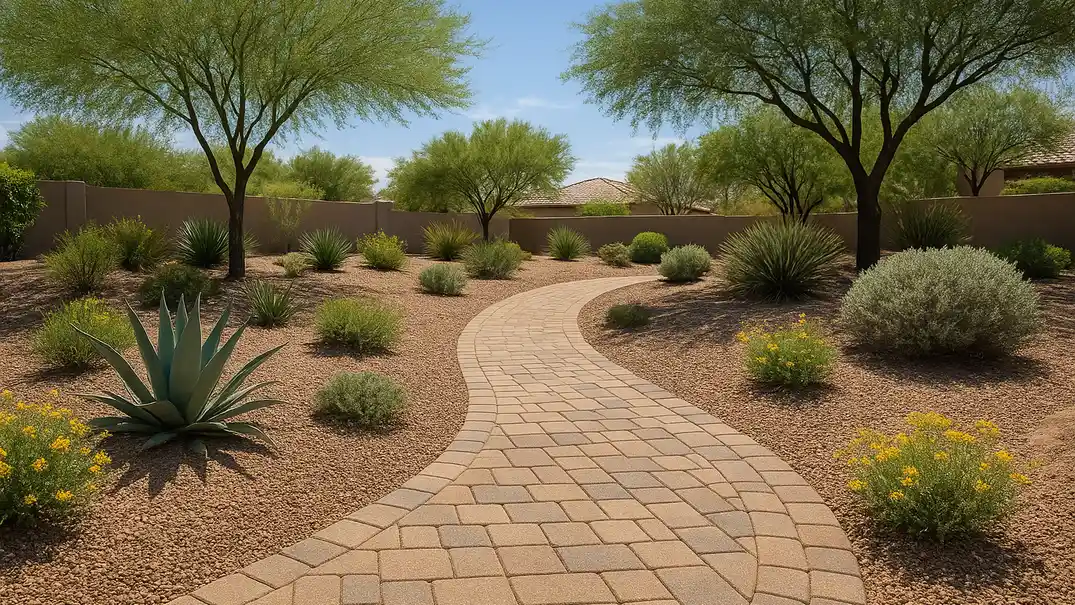
Design driven work is where this team tends to stand out. They lean toward native and desert adapted plantings, the kind of palettes that look intentional rather than accidental, and they are comfortable working with homeowners who want a plan drawn out before a single plant goes in the ground. If you are the type who wants to see the vision first and understand how a space will fill in over three or four years, that approach fits well.
They also handle the practical layer that design alone cannot solve, including grading and water routing. Anyone who has watched decorative rock migrate down a driveway after a storm knows that phoenix's best landscaping companies all share one habit, which is solving drainage before they worry about aesthetics.
What a customer said: "The plan they drew matched what we ended up with, down to the boulder placement. Rare." - Trevor Nakamura, Phoenix
Number 3: Valley Stone Outdoor Living
Hardscape is the specialty here. Paver patios, seat walls, fire features, outdoor kitchens, and travertine work around pools make up the bulk of what they do, and the craftsmanship shows in the details most people never think about, like consistent joint lines and edges that stay locked in place. They work well alongside softscape crews when a project calls for both.
Because Phoenix hardscape lives under brutal sun and sudden downpours, base preparation is everything. This team is known for not rushing that stage, which is usually the difference between a patio that looks good for fifteen years and one that shifts by year three.
What a customer said: "Three summers on our patio and not one paver has moved. They took their time on the base and it paid off." - Danielle Ruiz, Phoenix
Steady Upkeep and Water Saving Makeovers
Number 4: Copper State Lawn and Landscape
For homeowners whose main need is reliable upkeep, this company earns its spot. Regular maintenance visits, seasonal cleanups, tree and shrub trimming, and cool season overseeding are their bread and butter. Consistency is the selling point. The same crew tends to service the same routes, which means they start noticing changes in your yard before you do, whether that is a struggling citrus tree or a sprinkler head spraying the sidewalk.
They are also a sensible choice for rental properties and HOA managed homes where the goal is a clean, compliant look every month without drama. Reliability in this trade is underrated until you lose it.
What a customer said: "Same two guys every visit for two years. They know my yard better than I do." - Brandon Whitfield, Phoenix
Number 5: Agave Trail Landscape Services
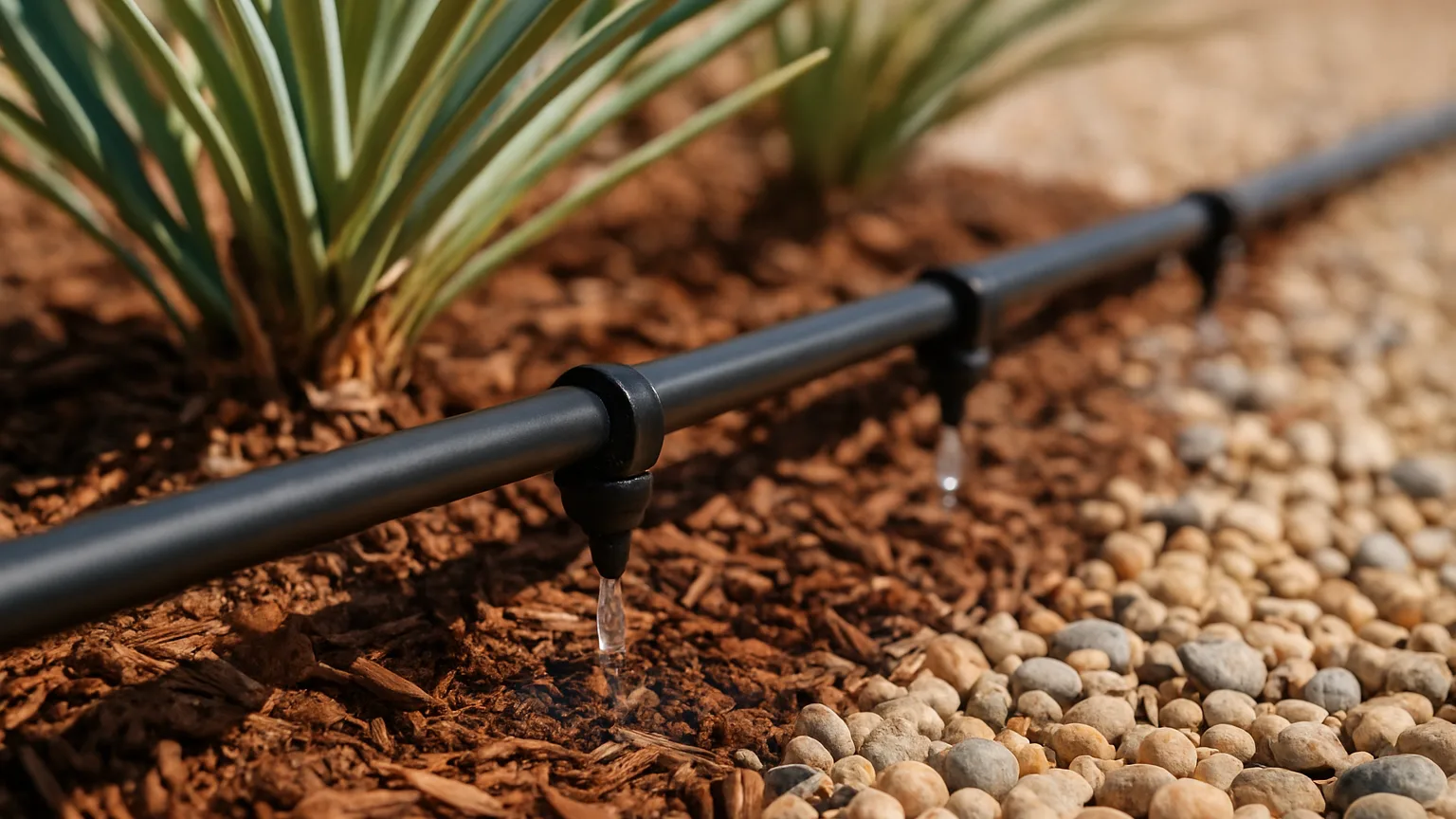
Rounding out the list is a team that does well with transformation projects on a realistic budget. Turf removal and conversion to desert landscaping, artificial grass installs, gravel refreshes, and irrigation upgrades are common requests they handle. They are a good fit for homeowners looking to cut water use without gutting the entire property.
Communication is a strength, which counts for a lot in a trade where quotes sometimes arrive as a number scribbled on a business card. Anyone comparing options across the metro, including lists like phoenix's best landscaping companies, will find that clear written estimates separate the professionals from the rest quickly.
What a customer said: "They swapped our dying grass for a desert design and my July water bill dropped by more than half." - Alicia Fenn, Phoenix
Read the Fine Print Before You Read the Reviews
A five star average is a starting point, not proof. The Valley is full of landscapers who do beautiful install work and then vanish when a valve fails in August. Before you hand over a deposit, spend twenty minutes doing the kind of homework most people skip.
Start with licensing and insurance. Arizona requires a contractor license for most landscaping work above a small dollar threshold, and you can verify a license through the Arizona Registrar of Contractors. Ask for a certificate of insurance too, and make sure it is current. If a worker is injured on your property and the company carries no coverage, that problem becomes yours.
Questions Worth Asking on the First Call
- Who will actually be on my property? Employees or subcontractors, and will a foreman be on site daily?
- What is the warranty on plants and on hardscape? Get the length and the exclusions in writing.
- How will you handle caliche? If they have no answer, they have not dug many Phoenix holes.
- Will the irrigation be zoned by plant water needs? Mixing thirsty and drought tolerant plants on one valve guarantees losses.
- What is the payment schedule? A reasonable deposit is normal. Full payment up front is not.
- Who pulls permits if the project needs them? Walls, some drainage work, and electrical for lighting can require them.
Look at the Website Like an Inspector
A company's site tells you more than its ad copy. Look for real project photos taken in recognizable Phoenix neighborhoods, not stock images of lush lawns from Ohio. Check whether they list specific services with detail or just a vague list of keywords. See if there is a physical presence, a real phone number, and a way to reach a human. Vetting a trade contractor works the same way across every home service, and the habits people use when hiring plumbing companies in arizona transfer directly to hiring a landscaper.
Referrals Still Beat Algorithms
Drive your own neighborhood. If a yard three streets over looks sharp in mid August, knock on the door and ask who maintains it. Neighbors will tell you the truth, including the annoying parts, like crews that show up at 5:30 a.m. or leave clippings in the alley. Ask your HOA landscape committee too, since they see performance across dozens of properties over years.
Finally, compare at least three written bids on the same scope. Not three vague numbers, but three proposals that spell out plant counts and sizes, irrigation components, paver types, base depth, and cleanup. When one bid is dramatically lower, find out what was left out. In desert landscaping the cuts are almost always hidden underground, in the base material and the water lines, which is precisely where you cannot see the shortcut until it costs you a full replacement.