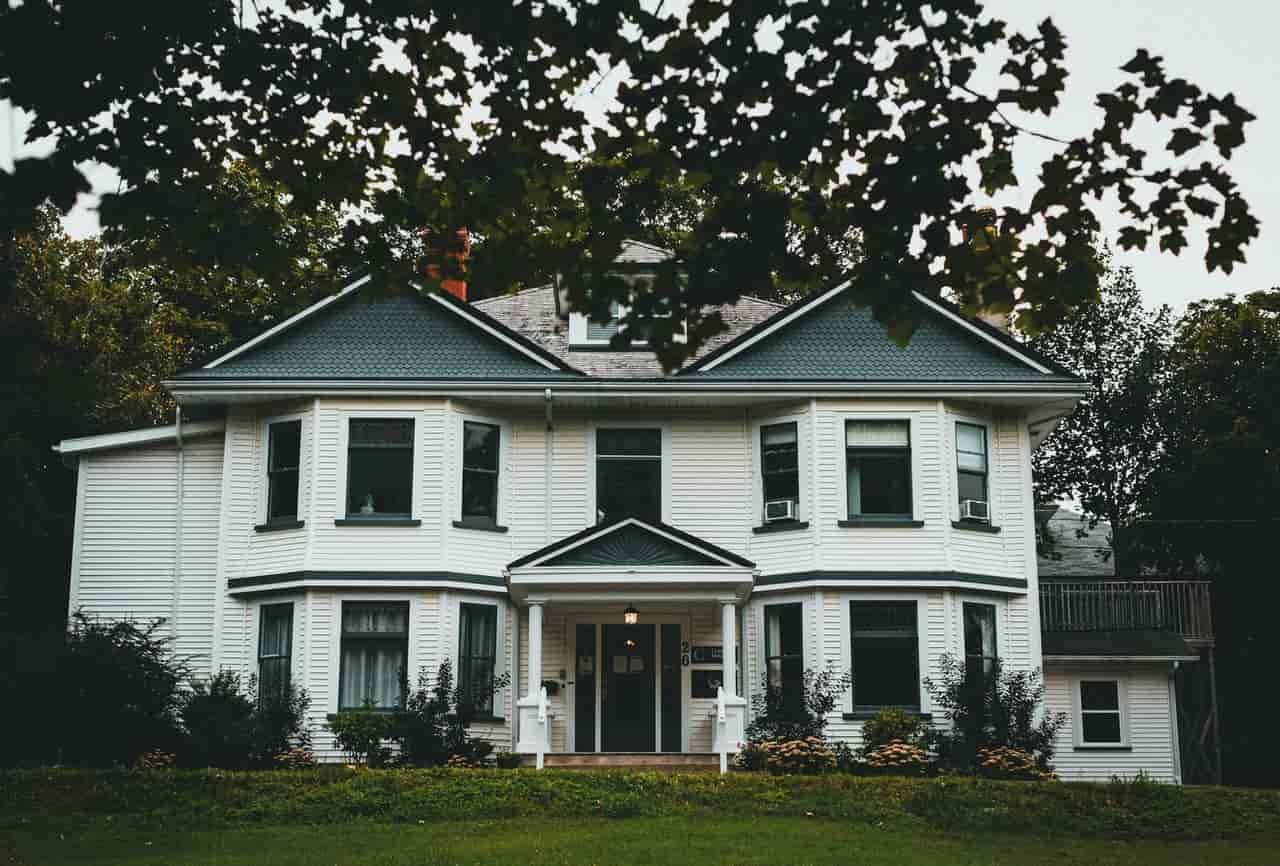
The front yard is the one part of your property that almost everyone sees and almost no one uses. That single fact should shape every decision you make out there. A backyard is designed for how you live; a front yard is designed for how your home is read from the street, from the sidewalk, and from the moment a visitor steps out of the car until they reach your door.
That does not mean the front yard is only decoration. It still has to handle parking, drainage, foot traffic, trash cans, mail delivery, snow or leaf storage, and utility access. The most attractive front yards are the ones where those unglamorous jobs were solved first, and the planting was designed around them rather than on top of them.
The pages and pictures below are organized so you can work from the whole design down to the individual details — the walkway width, the driveway edge, the shrub that will or will not swallow your front window in five years.
designs, and ideas for front yards
Our pictures directories are some of the largest sections of our site. Next to backyards, front yard pictures is one of the most visited directories. And while this has been very helpful to a lot of folks to get ideas for their own yard and landscaping, there are also several other directories of design details and methods that are very helpful but often missed.
Besides all the front yard designs, plans, and pictures in the directory, there are also several directories of specific details such as planting ideas, sidewalks, and driveways that aren’t detailed in these categories. More than simply looking at at the design as a whole, there are often a lot of questions regarding the details of each design such as walkways, driveways, etc. So we need to make those easy to find as well.
- Front Yard Ideas
Our big list of pictures and designs. This is where most everything is. Hundreds of ideas and designs to look at.
- Entryway Picturess
The entrance and entryway leading into a home is often made a focal point and one of the most visible elements.
- Entryway Designs
While this directory is mostly photos of garden entries and arches, there are quite a few that will work well in many other design styles.
- Driveway Design Plans
Besides providing access, parking is a main issue and consideration for your design.
- Walkways, Sidewalks, And Paths
While most of the pictures in this directory are applied to gardens, many of them will work well in most front yards.
- Planting Ideas
Planting ideas and principles that will add beauty and structure to design.
For the most part, these are the most common details and specific projects that may be needed to create your design. And while you may be able to skim through these pictures and put a beautiful design together, you still might want to take a look at principles of front yard landscape design for structural principles that you may not have even considered.
When you browse those directories, try to look past the plants and read the bones of each design instead. Ask where the eye lands first, how the walkway meets the driveway, whether the planting beds have a continuous edge or a broken one, and how much of the photo is actually lawn. Once you can name what a design is doing, you can copy the structure and swap in plants that suit your own climate.
A Few More Thoughts For Landscaping Front Yards
- For large areas with possibly too much lawn, try placing an island planting bed or two in the front yard. It will cut down on the amount of lawn used, take up some space, and add some unique shape to the lawn. Keep island beds at least four to six feet across at their narrowest point — anything skinnier looks like an accident and is hard to mow around.
- All Season Interest and Color – Use plants with different bloom times within a framework of evergreen or semi-evergreen shrubs and plants. Do a little research. There are many plants that do well in extreme climates and even bloom in the Winter. This will help create curb appeal and interest in the front yard all year long. A useful rule of thumb is that roughly a third to a half of the permanent planting should hold its structure in winter, so the yard never looks abandoned in February.
- Landscape lighting is often an overlooked afterthought that should be used in most landscapes and yards. Besides the safety factor they create, it also creates a sense of elegance and invitation. Two or three well-aimed fixtures at the entry and one uplight on a specimen tree will do more than a row of path lights spaced every few feet.
- Repeat instead of collecting. A front yard with three plants used in groups of five reads as designed; a front yard with fifteen single plants reads as a nursery clearance shelf. Repetition down the length of a bed is the cheapest way to make a modest planting look intentional.
- Frame the house, don't hide it. Tall material belongs at the corners of the house and at the property edges, with low material under windows and beside the door. That is what gives a front yard depth from the street.
While this list of pictures does not cover every individual need or aspect of landscaping a front yard , it does take a lot of the most common and basic design needs and details into consideration. If not in this list, just spend a little time on the site and you’re sure to find all the right information that you need.

Solve The Layout Before You Buy A Single Plant
Almost every disappointing front yard is a layout problem wearing a planting costume. Before shopping, sketch the yard on paper with the house, driveway, sidewalk, utility meters, downspouts, hose bibs, and any street trees marked in place. A rough scale of one inch to eight feet is enough to keep you honest about how much room you really have.
A few dimensions worth respecting, because they are the ones people regret ignoring:
- Main walkway width: four feet minimum if you want two people to walk side by side to the door. Three feet feels like a service path.
- Landing at the door: at least four by four feet of flat surface, so a visitor is not standing on a slope while the door swings open.
- Driveway apron and car doors: leave two to three feet of paving or gravel alongside the parking area so passengers are not stepping into a planting bed.
- Grade away from the house: aim for a fall of about six inches over the first ten feet from the foundation, and never build a bed that traps water against the wall.
- Foundation plantings: set them out from the wall by at least half their mature width, which usually means three feet or more off the house, not the twelve inches most builders use.
Also decide early where the unlovely necessities live — bins, condenser units, meters, recycling. Screening them with a short evergreen hedge, a slatted panel, or a low wall while keeping the required clearance for service access is far easier at the sketch stage than after the concrete is poured.
Choose Plants For Your Climate, Not For The Photograph
The fastest way to inherit years of pruning is to plant something that wants to be eight feet wide in a bed that is three feet deep. Look up mature size, not nursery-pot size, and space plants at roughly their mature spread so the bed fills in without crowding. Grouping plants by water need — thirsty things together, drought-tolerant things together — also means your irrigation can actually be set correctly instead of splitting the difference and stressing everything.
In hot, arid regions the plant list narrows and the details matter more. Gravel and decomposed granite reflect heat, which raises the effective temperature on nearby plants, and a shallow-rooted shrub in full west sun will not survive its second summer regardless of how often you water it.
“Most failed desert front yards weren’t planted wrong, they were watered wrong — deep, infrequent drip cycles and two inches of mulch will save more plants than any fertilizer,” says Marco Delgado, design lead at Desert Vine Landscaping.
Wherever you live, build the planting in three layers: a small tree or two for canopy and shade, a mid-layer of shrubs and grasses for mass and winter structure, and a ground layer of perennials or low spreaders to keep soil covered and weeds down. Two to three inches of mulch over the whole bed, pulled back from trunks, holds moisture and makes a young planting look finished on day one.
Hardscape, Lighting, And Knowing When To Hire Help
Hardscape is where front yard budgets go, so it pays to phase the work honestly. Paving, steps, retaining walls, and drainage should come first because they are the parts you cannot easily change later; plants, mulch, and lighting can follow in a second or third season without tearing anything out. Matching the material to the house also matters more than the material's price — brick reads well on a traditional facade, large-format concrete pavers on a contemporary one, and stone that already appears in the region tends to look right anywhere.
For lighting, run low-voltage cable while beds are still open and choose warm color temperatures around 2700K so foliage and masonry look natural rather than blue. Shield the fixtures so the light lands on the house and path and not in a neighbor's window.
Grading, retaining walls over about three feet, drainage tied into a street or storm system, and irrigation backflow work are the jobs most worth handing to a licensed contractor, and comparing several bids alongside reviews from crews that made the cut is a reasonable way to gauge what solid work should cost in your area. Ask for a planting plan with names and quantities, a written watering schedule, and a plant warranty period before you sign anything.
Putting It Together
A front yard that works follows a simple order: fix the drainage and circulation, set generous walkway and landing dimensions, screen the ugly necessities, build the planting in layers with climate-appropriate species, then finish with mulch and a few well-aimed lights. Do those things in that order and even a modest budget produces a yard that looks composed from the street.
Browse the picture directories above for the look you want, but borrow the structure rather than the plant list, and let your own site, soil, and climate decide the rest.